
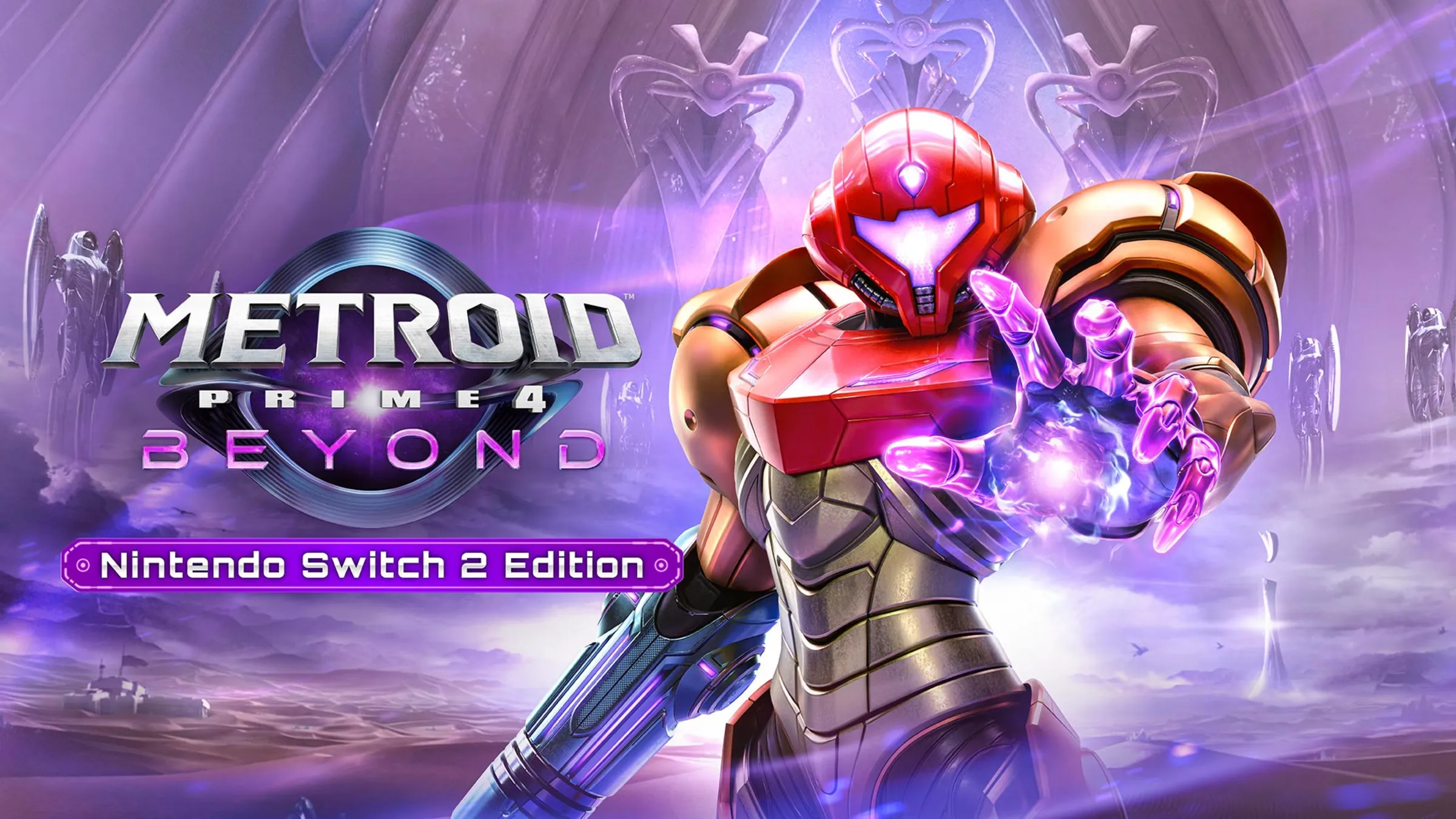
I rolled credits on Metroid Prime 4: Beyond after about 12 hours, and I’m kind of stuck between “yes, this is why I wanted a new Prime” and “why is it making me do this much busywork.”
I never played Prime 2 or 3. Metroid Prime Remastered on Switch was my first Prime game, and I really liked it. So this game was basically my chance to see if that specific kind of exploration, atmosphere, and upgrade-driven map puzzle still hits for me.
The good Prime stuff
Beyond absolutely has that Prime mood when it wants to. You’re dropped onto Viewros, you scan logs, you wander into places that feel older than you can really explain, and you slowly build a mental model of the planet. It’s the kind of game where I kept stopping to scan “one more thing” because I wanted the world to feel coherent, not because a quest marker told me to.
The best stretches feel dense in the way Prime Remastered felt dense. Shortcuts start to make sense. Locked doors become little sticky notes in your brain. Getting a new ability opens up multiple paths when you remember those locked doors you saw 2 hours ago.
Also, Switch 2 aiming is quite good! I didn’t expect to care, but the mouse-style Joy-Con 2 aiming feels natural fast, and the game offers different performance modes (including very smooth high frame rate options when docked).
The new stuff - Psychic powers and the bike
The big additions are psychic abilities and the Vi-O-La bike. Psychic powers are a nice change of pace for puzzles and traversal. The bike is fun to drive and Samus’ new look with the bike looks badass.
In smaller doses, I’d probably be all-in on both. The problem is that the game sometimes uses them as an excuse to stretch distances and make the world feel bigger on paper, instead of making the moment-to-moment more interesting. Also, the psychic power animations are quite slow, which just adds that little bit of friction each time you want to open a door, or reveal some hidden platforms.
The pacing dip
There’s a big hub area called Sol Valley that links all of the regions, and it started to feel like commuting. Ride out, do the thing, ride back, ride out again. I’m not a huge fan of backtracking but I like it when it’s done well, but this started off cool but ended up being a chore. This was more like “I understand this space, I just have to cross it again.”
The game also makes you farm Green Energy Crystals which are littered around Sol Valley to get to the game’s ending, and it just feels like another time-consuming checkbox item that didn’t really need to be there.
The other drag for me was the amount of talking. One of the things I really enjoyed about Prime Remastered was the quiet. This game doesn’t always let the quiet happen. There are NPCs you meet in each region that tag along and move the story forward. While I didn’t find them as annoying as some others online, I feel like the game could have done without them.
Closing thoughts
When Metroid Prime 4: Beyond is doing the Prime thing, it’s genuinely great. It has that “lost on an alien planet” feeling and that upgrade-driven satisfaction that made me love Prime Remastered.
But it also has enough padding and friction that I couldn’t fully sink into it the way I wanted. I finished the main story happy I played it, and also kind of relieved to be done with the commuting.
There is a lot to like, and just enough wasted time to keep it from being an instant favorite.